Why Santa History Is the Perfect Typeface for Your Brand
The morning rush at my small candle shop was in full swing. I had a stack of orders to pack, but my hands were busy with the final touches on our new holiday packaging. I held up a sample jar, staring at the label I had designed just days ago. It looked clean, professional, and safe. But something felt missing. The message wasn't quite connecting with the warmth I wanted my customers to feel when they opened their packages. The typography was too rigid, too corporate, and it lacked the personal touch that defined my brand story.
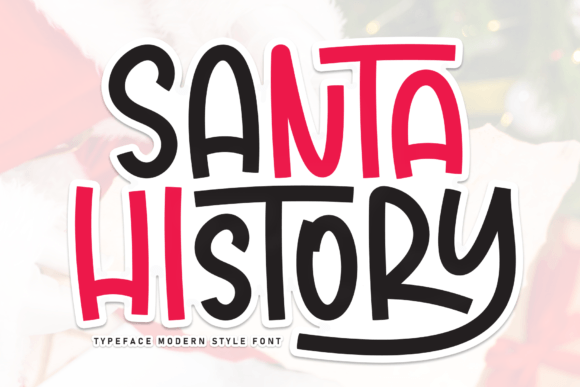
I realized that while my product quality was high, the visual identity was holding me back. I needed a font that could bridge the gap between a polished business and a friendly neighborhood store. That is when I discovered Santa History. This sweet and friendly handwritten font immediately changed the trajectory of my branding project. Its natural and unique style made it incredibly fitting for my designs, proving that the right typeface can transform a simple product into an experience.
Bringing Personality to Everyday Business Materials
One of the biggest challenges for small business owners is maintaining a consistent voice across all platforms without sounding robotic. When I switched to using Santa History, the difference was instant. The font carries a warm, inviting mood that feels like a note written by hand. It isn't perfect or machine-precise, which is exactly why it works so well for handmade goods and boutique businesses.
Imagine applying this script to your own thank-you cards included in every order. Instead of a generic printed note, you have a design element that feels personal and thoughtful. Customers often mention how much they appreciate these little details because they make them feel valued. By choosing a creative font like Santa History, you are telling your audience that you care about the aesthetics of their unboxing experience. This attention to detail builds trust and encourages repeat purchases.
This typeface is not limited to just one application. The only limit is your imagination. Whether you are creating a logo for a new coaching brand, designing a menu for a cozy café, or updating social media graphics for an online shop, Santa History adds a layer of charm that standard fonts simply cannot match. It works beautifully as display text where you want to grab attention, such as on flyers, website banners, or digital ads.
Enhancing Brand Identity and First Impressions
In the world of commerce, first impressions happen in seconds. Typography plays a massive role in how customers perceive your brand before they even read your tagline. A sloppy or mismatched font can make a business look amateurish, while a cohesive and stylish typeface signals professionalism and reliability. Santa History helps elevate your brand perception by offering a look that is both modern and nostalgic.
I used this premium font to redesign my product labels for the winter collection. The natural flow of the letters made the jar labels look elegant yet approachable. It struck the perfect balance between a formal serif font and a casual handwritten style. When customers saw the jars on the shelf, they didn't just see candles; they saw a curated collection with a distinct personality. This consistency across packaging design, business cards, and marketing materials is what creates a memorable brand identity.
Readability is also crucial, especially when dealing with mobile screens or small labels. While Santa History is primarily a decorative accent, its clear letterforms ensure that headlines and short phrases remain easy to read. For longer body text, I recommend pairing it with a clean sans serif font. This combination allows the script to shine as the headline while keeping the important details legible. This strategy ensures that your message is communicated clearly without sacrificing style.
Versatile Applications for Small Businesses
The versatility of Santa History makes it a go-to choice for various industries. Here are some practical ways entrepreneurs are using this Script Amp typeface to upgrade their visuals:
- Bakery Packaging: Use the font on box toppers and cupcake wrappers to give your treats a homemade, artisanal feel.
- Skincare Labels: Apply it to bottle stickers to convey a sense of natural ingredients and gentle care.
- Candle Jars: Create custom tags that hang from the wick, adding a touch of luxury to your home fragrance line.
- Boutique Tags: Print hangtags for clothing items that feel soft and welcoming to the touch.
- Café Menus: Highlight daily specials or seasonal drinks to draw the eye and set a cozy atmosphere.
- Digital Downloads: Design templates for planners, journals, or social media kits that require a friendly aesthetic.
For those selling physical products, the commercial font licensing associated with Santa History is essential. It allows you to use the typeface on merchandise, product packaging, and client work without legal worries. Before purchasing, always check the included styles, file formats, and alternates to ensure you have everything you need for your specific project. Some versions include multilingual support, which is a huge plus if you plan to expand your market globally.
Mastering Font Pairing and Visual Hierarchy
A common mistake designers make is trying to let the script do all the heavy lifting. While Santa History is powerful, it shines brightest when paired correctly. Think of it as the star of the show; it needs a supporting cast to function effectively. A clean sans serif font provides excellent contrast, grounding the whimsical nature of the script with stability.
For example, if you are designing a wedding invitation suite, use Santa History for the names and main titles, then switch to a modern typography style or an elegant serif font for the event details. This creates a beautiful visual hierarchy that guides the reader's eye naturally. Similarly, for web design, use the script sparingly for headers and call-to-action buttons, while keeping the navigation and footer text in a neutral weight.
When working on editorial design or blog posts, this typeface can break up walls of text and add interest to pull quotes. However, avoid using it for long paragraphs, as the handwriting style can become difficult to read over extended lengths. Save the Santa History font for short phrases, logos, and decorative accents where its personality can truly shine.
Making the Switch for Your Next Project
Updating your brand visuals does not have to be a daunting task. Sometimes, a single font change is all it takes to refresh your entire image. Since discovering Santa History, I have found myself reaching for it in almost every new design project. From the initial sketch phase to the final print run, it has been a reliable companion that helps me communicate my brand's values effectively.
If you are an entrepreneur looking to improve your brand's consistency, polish, and memorability, consider giving this handwritten font a try. Its natural style fits a large pool of designs, making it accessible for hobbyists and professional designers alike. Whether you are building a more consistent brand identity for your online shop or creating engaging social media graphics, Santa History offers the flexibility to bring your vision to life. Let your creativity flow and watch as your business gains a more human, trustworthy face through the power of better typography.